Topic: Abraham Lincoln




Quotes
If there is anything that a man can do well, I say let him do it. Give him a chance
The almanac Apr 14, 2009
As much as possible, we created a poll that was non-partisan, judicious and fair-minded
Lincoln tops C-SPAN presidents ranking Feb 15, 2009
I beg to present you as a Christmas present the city of Savannah
The almanac Dec 22, 2008
We need to, as a party, go back to our roots, if you will
Crist: Republicans must embrace 'roots' May 18, 2008
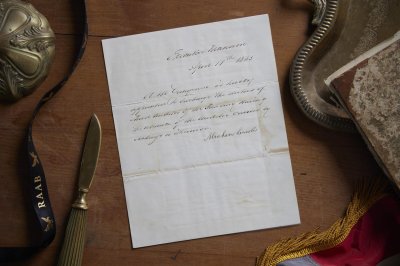
While I have not the power to grant all they ask, I trust they will remember that God has, and that, as it seems, He wills to do it
Sotheby's auctions rare Abe Lincoln letter Mar 28, 2008


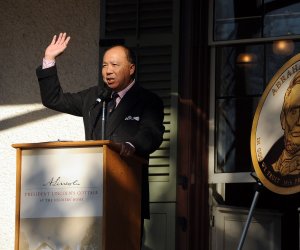 Abraham Lincoln one dollar coins debut
  Abraham Lincoln Artifacts
 Abraham Lincoln i/ˈeɪbrəhæm ˈlɪŋkən/ (February 12, 1809 – April 15, 1865) was the 16th President of the United States, serving from March 1861 until his assassination in 1865. He led the country through a great constitutional, military and moral crisis — the American Civil War — preserving the Union while ending slavery and promoting economic and financial modernization. Reared in a poor family on the western frontier, Lincoln was mostly self-educated. He became a country lawyer, an Illinois state legislator, and a one-term member of the United States House of Representatives, but failed in two attempts at a seat in the United States Senate. He was an affectionate, though often absent, husband and father of four children.
After deftly opposing the expansion of slavery in the United States in his campaign debates and speeches, Lincoln secured the Republican nomination and was elected president in 1860. Following declarations of secession by southern slave states, war began in April 1861, and he concentrated on both the military and political dimensions of the war effort, seeking to reunify the nation. He vigorously exercised unprecedented war powers, including the arrest and detention without trial of thousands of suspected secessionists. He prevented British recognition of the Confederacy by skillfully handling the Trent affair late in 1861. He issued his Emancipation Proclamation in 1863 and promoted the passage of the Thirteenth Amendment to the United States Constitution, abolishing slavery.
Lincoln closely supervised the war effort, especially the selection of top generals, including the commanding general Ulysses S. Grant. He brought leaders of various factions of his party into his cabinet and pressured them to cooperate. Under his leadership, the Union took control of the border slave states at the start of the war and tried repeatedly to capture the Confederate capital at Richmond. Each time a general failed, Lincoln substituted another until finally Grant succeeded in 1865. An exceptionally astute politician deeply involved with power issues in each state, he reached out to War Democrats and managed his own re-election in the 1864 presidential election.
It uses material from the Wikipedia article "Abraham Lincoln."