UPI en Español  |   UPI Asia  |   About UPI  |   My Account
Search:
Go

'Surge plan' helps hospitals cope with flu

|
 
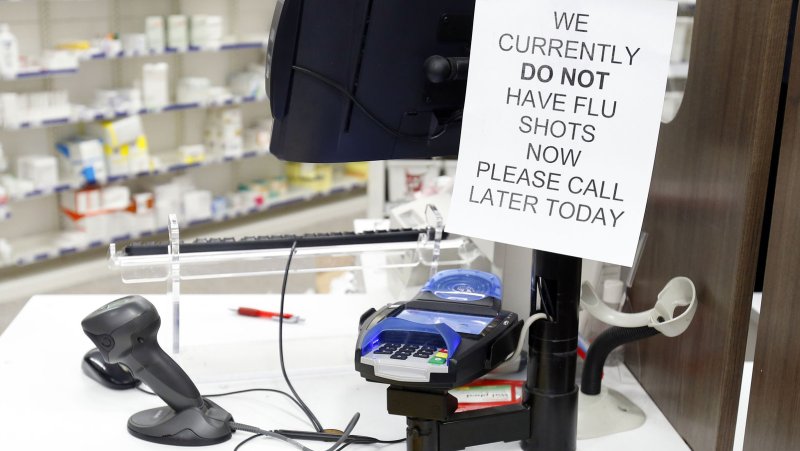
A flu vaccine out of stock sign is taped to a counter at a pharmacy in New York City on January 14, 2012. Some New York City pharmacies and clinics are reporting flu vaccine shortages prompted by reports of widespread outbreaks. UPI/John Angelillo
A flu vaccine out of stock sign is taped to a counter at a pharmacy in New York City on January 14, 2012. Some New York City pharmacies and clinics are reporting flu vaccine shortages prompted by reports of widespread outbreaks. UPI/John Angelillo 
License photo
Updated Jan. 15, 2013 at 11:12 AM
Published: Jan. 15, 2013 at 1:44 AM

MARLTON, N.J., Jan. 15 (UPI) -- Four New Jersey hospitals, express urgent care centers and affiliated physicians are coping with flu patients with their "surge" plan, officials say.

Virtua, a comprehensive healthcare system involving four hospitals in Southern New Jersey, designed the plan to manage patients outside the hospital to keep the hospital emergency rooms from being overwhelmed, NJbiz.com reported.

Dr. James Dwyer, chief clinical officer of Virtua, told NJbiz.com: "We've developed the capability of managing patients outside of the hospital. All of these access points have become very, very challenged from the volumes with the flu activity, but the good news is, because of the size of the system and because of the multiple access points we've developed, we've been able to figure out ways to spread this surge across a larger base than managing it just through the emergency department."

By treating flu patients in doctor's offices and clinics, the hospital emergency room can treat other medical emergencies and severe influenza.

Dr. John Matsinger, chief medical officer of Virtua, said each of the locations set up separate flu-response areas with common elements such as segregated waiting rooms -- ordinarily used to "fast-track" minor injuries or sicknesses -- to move patients out of waiting areas and the emergency rooms to make space for new patients.

Matsinger and Dwyer said they've never seen patient volumes as high as they have this winter, but they were prepared because of their system's surge plan developed after Sept. 11, 2001.

The software MedMined analyzed infections to predict future patterns allowing the hospitals to adjust procedures proactively and protect patients and employees from illnesses such as the flu, the doctors said.

Topics: Sept. 11
Recommended Stories
© 2013 United Press International, Inc. All Rights Reserved. Any reproduction, republication, redistribution and/or modification of any UPI content is expressly prohibited without UPI's prior written consent.

Order reprints
Join the conversation
Most Popular Collections
'Star Trek Into Darkness' screening NBC upfronts Met Ball 2013
'Great Gatsby' premieres in New York Spire raised on top of One WTC 2013: Celebrity break ups and divorces
Additional Health News Stories
1 of 17
Tornado recover efforts underway in Moore, Oklahoma
View Caption
Oklahoma Governor Mary Fallin talks to victims from the May 20 tornado that hit Moore, Oklahoma, May 22, 2013. The EF-5 tornado cut a path of destruction approximately 17 miles by 1.3 miles wide and left 24 people dead. UPI/J.P. Wilson
fark
Begun, the Anime Wars have
Spain spends $680 million on submarines. For a few dozen million more, they may even be able to...
Amidst allegations that he smokes crack, the Mayor of Toronto has been fired. FARK: As high school...
You don't have to be drunk and homeless to direct buses for NJ Transit. But it helps
FBI makes arrest in Washington State ricin case. Dammit, Walter
2 FBI Agents involved in Dzhokar Tsarnaev's arrest fall from helicopter and die. Strange tag trumps...